
Wireless Charging for Warehouse Automation
Keep mobile robot fleets powered through receiving, storage, picking, sorting, and shipping. Lumii MAX brings automatic in-process charging to recurring dwell points across the warehouse—reducing dedicated charging trips and reliance on separate charging zones while helping AGVs, AMRs, and automated forklifts stay available through peak operations.
More Room for Operations.
More Time in the Flow.
Warehouse space should store, move, and process goods—not hold vehicles waiting for power. Dedicated charging zones consume valuable floor area, while every trip to a charger removes a robot from productive work and adds traffic to the warehouse. By placing wireless charging at stops already built into material flow, Lumii MAX turns waiting time into productive energy transfer and reduces the need for separate charging areas.

Charging Designed Around
the Warehouse Flow
Place charging at pick stations, conveyor handoffs, queue positions, lifts, and staging areas. Vehicles replenish energy during recurring stops instead of leaving the workflow for a separate charging trip.
Reduce reliance on centralized charging zones, battery rooms, and charger queues. Charging at existing operating locations preserves more floor space for storage, movement, and order processing.
As vehicle numbers increase, a single charging location can create detours and queueing. Distributed charging points add energy across the workflow and reduce contention around centralized infrastructure.

Charge Where Warehouse Work Already Pauses
Across receiving, putaway, picking, staging, and shipping, mobile robots repeatedly stop to load, unload, transfer goods, or await the next task. Wireless charging at selected dwell points starts automatically while the vehicle is already stationary—without manual plug-in or a dedicated trip to a charger. Distributed charging reduces traffic around centralized chargers and the space required for charging areas, helping more fleet capacity remain available through peak operating periods.

Recommended Systems for Warehouses
Power requirements depend on vehicle type, payload, battery voltage, duty cycle, and the dwell time available at each location. Lumii MAX offers 300 W to 3 kW options for compact AMRs, guided carts, automated forklifts, and heavy-duty warehouse transport.
Compact Power for Warehouse Robots
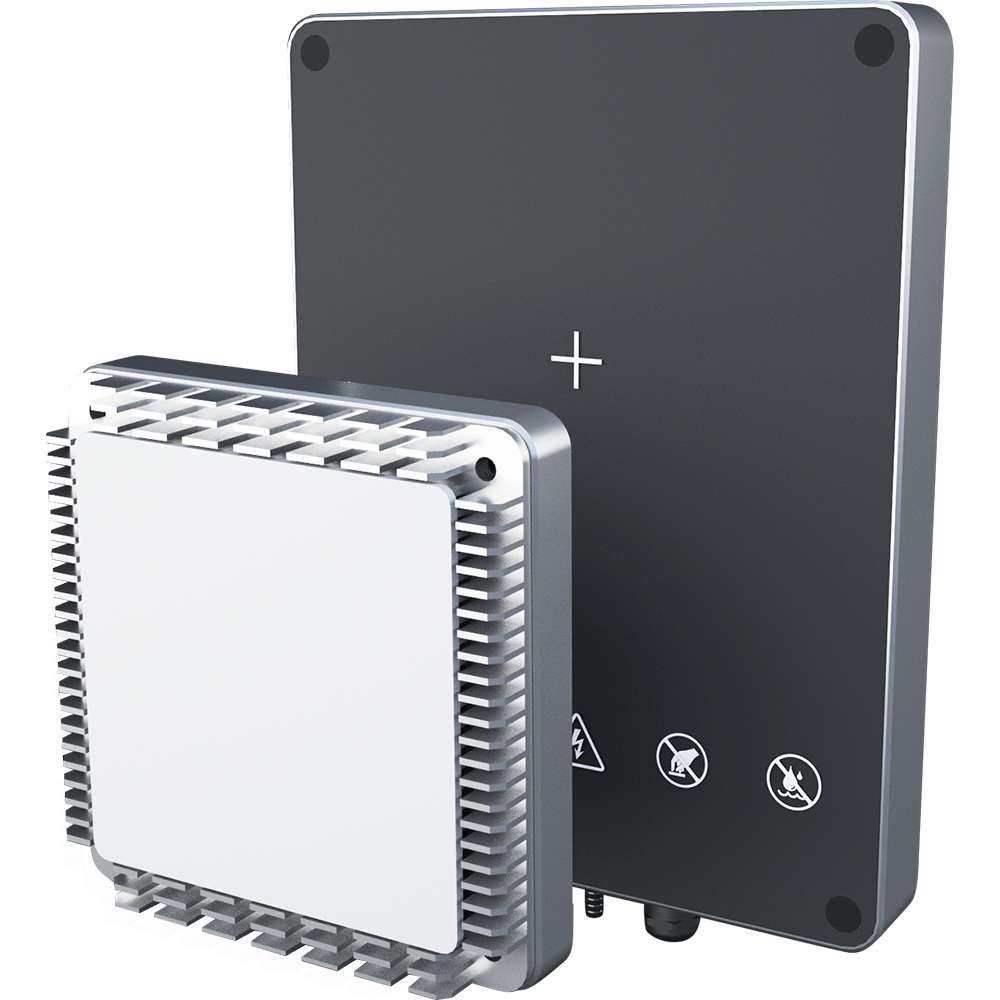
For compact AMRs, guided carts, and light-duty warehouse vehicles with frequent planned stops available for charging.
- 24 V / 48 V DC
- Compact 160 × 160 × 50 mm modules
- RS485 communication
Higher Power for Warehouse Transport
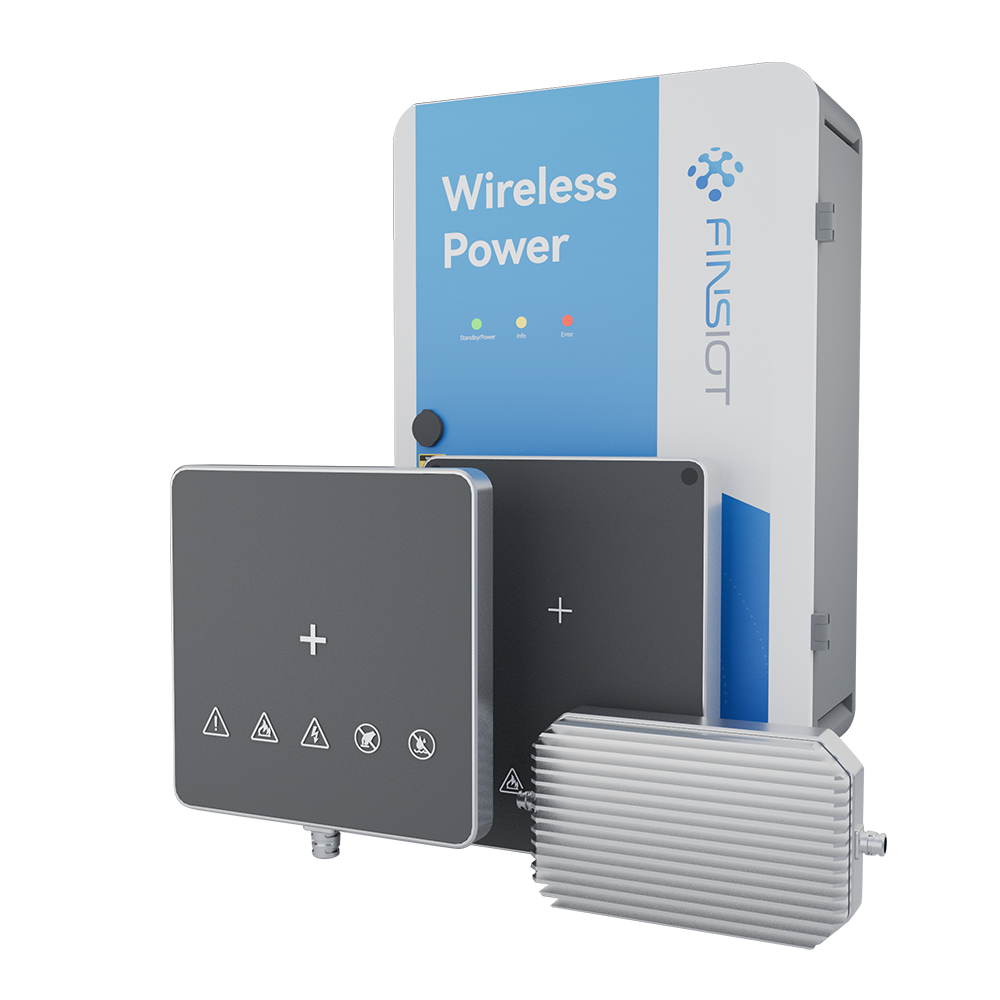
For automated forklifts, tow tractors, and high-payload warehouse vehicles where each charging window needs to deliver more energy.
- 40–60 V DC
- Model-dependent air gap up to 100 mm
- RS485 / CAN communication
Ready to Build Charging Into Your Operation?
Every application has its own vehicle, battery, duty cycle, and operating environment. Talk to our team about a Lumii MAX configuration built around yours.