
Wireless Charging for Harsh & Outdoor Environments
Reliable, contact-free charging for AGVs, inspection robots, and compatible mobile platforms operating across ports, mines, and exposed industrial sites. By removing exposed charging contacts, Lumii MAX helps reduce contamination-related faults, connector wear, and manual intervention.
The Charging Interface Should Be as Resilient as the Vehicle
Across ports, mining sites, and process facilities, AGVs and mobile robots operate around dust, moisture, debris, vibration, and repeated environmental exposure. The vehicle may be engineered for the work, while exposed plugs, pins, and sliding contacts remain vulnerable to contamination, oxidation, and mechanical wear.
Lumii MAX transfers power across an air gap, removing the physical mating surface from each charging event. Compatible vehicles can recharge automatically at repeatable stops with less dependence on connector cleaning, manual plug-in, and repeated contact maintenance.

When the Environment Reaches the Charging Point
Harsh conditions often expose the weaknesses of a conventional charging interface before they stop the vehicle itself.
Dust, mud, moisture, and debris can interfere with exposed charging contacts, increase cleaning requirements, and make charging performance less predictable.
Connector inspection and replacement become more costly when vehicles operate across large sites, remote routes, or areas with restricted maintenance access.
An AGV or inspection robot is only autonomous until someone must clean, connect, or service its charger. Contact-free docking keeps charging within the automated operating cycle.

How It Works
Automatic power transfer across an air gap—without exposed electrical contacts at the charging interface.

Match the System to the Vehicle and the Environment
Charging power is only one part of the fit. Battery voltage, energy used per operating cycle, available dwell time, mounting conditions, environmental exposure, and site requirements must be assessed together.
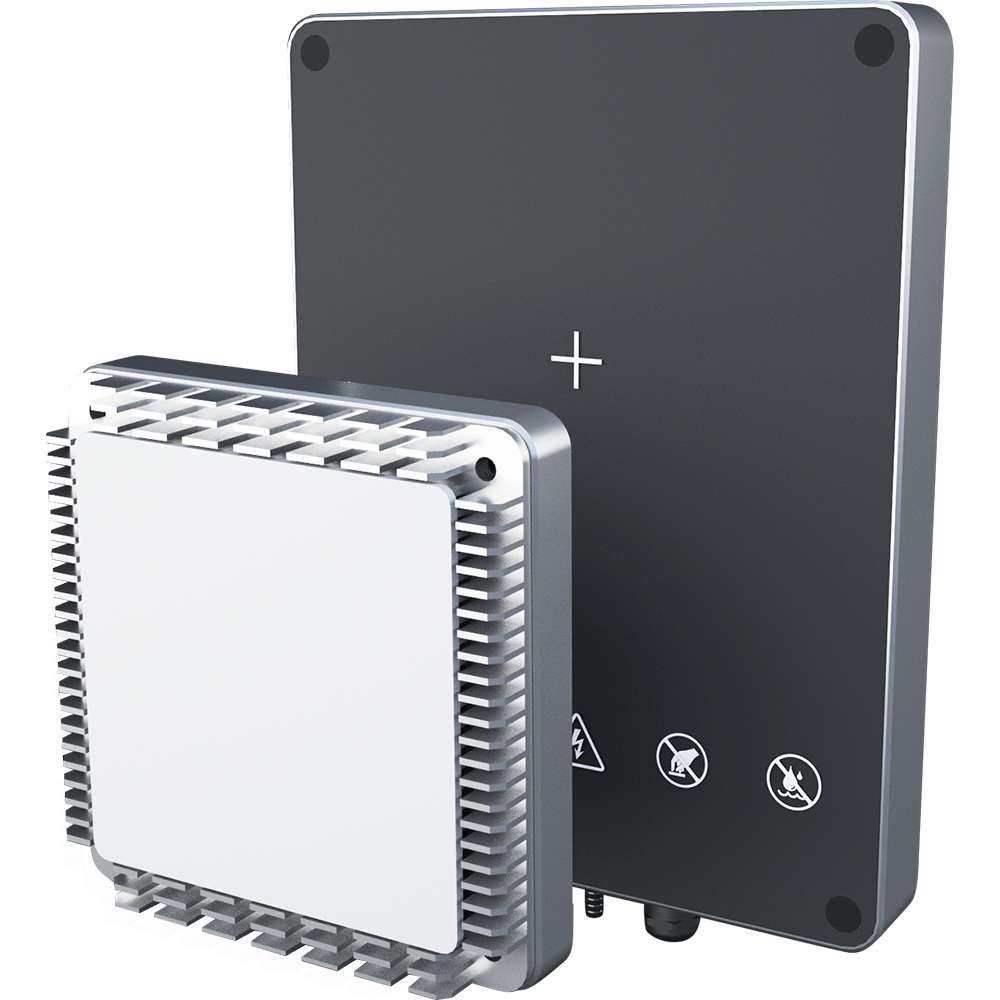
Compact wireless charging for compatible inspection robots and light mobile platforms with lower energy demand and regular charging opportunities.
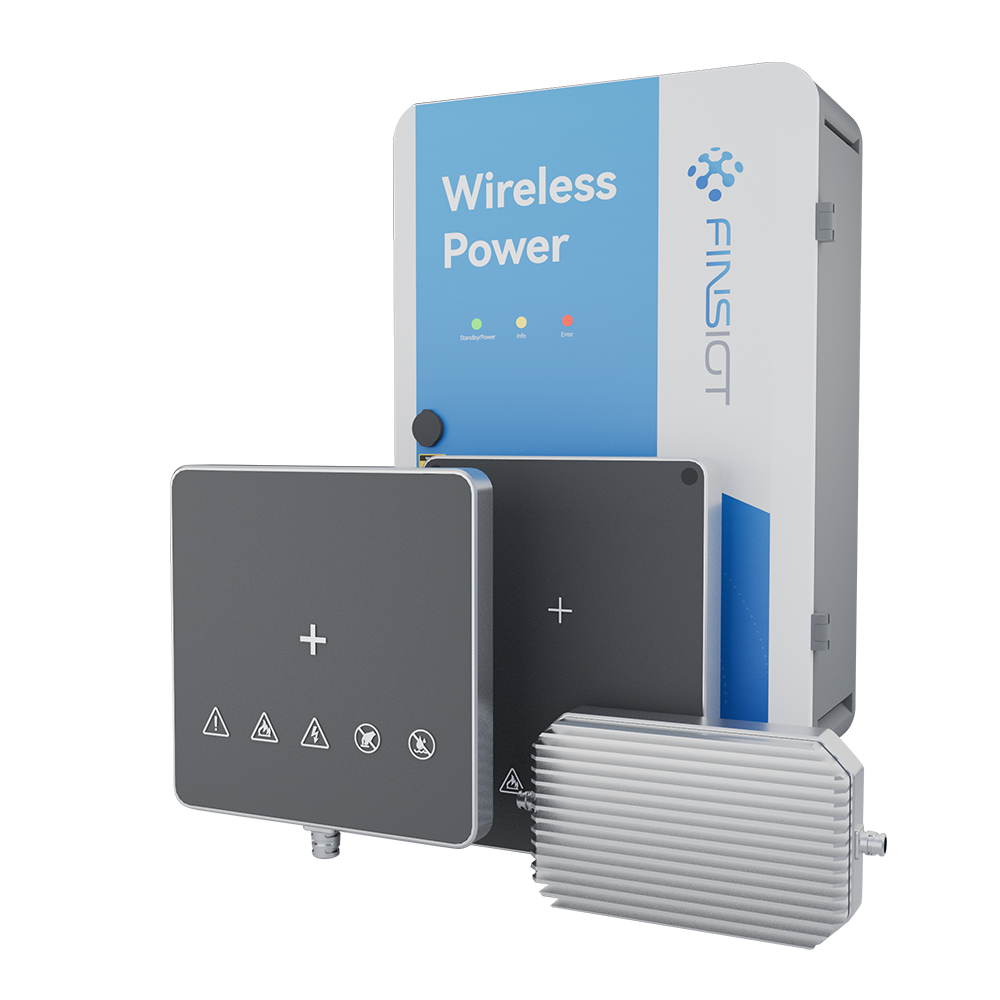
Higher-power wireless charging for compatible AGVs and industrial mobile platforms where repeated charging and environmental exposure make contact maintenance difficult.
Available protection ratings, operating limits, output options, and interfaces vary by model. Application suitability depends on the vehicle and site requirements. Use in classified hazardous areas requires separate approval.
Engineer for the Environment
A reliable installation begins with the conditions surrounding the vehicle and charging point—not with a protection rating alone.
Ready to Build Charging Into Your Operation?
Every application has its own vehicle, battery, duty cycle, and operating environment. Talk to our team about a Lumii MAX configuration built around yours.